GPCCMP Medicare
Stroke Recovery at Home: What the First 90 Days Look Like
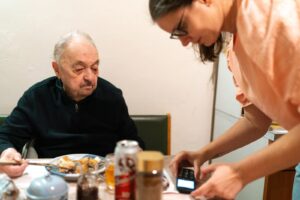
Stroke is a medical emergency, but recovery is a long and often unglamorous process that unfolds largely at home, far from the acute hospital environment where treatment began. For families thrust into a carer role with little preparation, the first 90 days are frequently the hardest, most disorienting stretch of the entire journey. Understanding what to expect, which services to access, and how Australia’s health system actually works during this period can make a meaningful difference to outcomes.
The scale of this is not small. In 2023 there were an estimated 45,785 stroke events in Australia, one every 11 minutes, including 34,793 first-ever strokes, and around 440,000 stroke survivors are now living in the community.[9] Stroke remains one of the country’s biggest killers, claiming 9,147 lives in 2024 and ranking as the fourth leading cause of death.[10] Around one in four strokes occurs in people under 65, so this is not solely an older person’s condition, and the lifetime cost of the strokes that happened in a single year exceeds $15 billion, including $3.3 billion in unpaid care provided by families.[9]
This article is written for stroke survivors, their families, and the clinicians and care coordinators who support them. It draws on current Australian health system realities, including recent reforms to Medicare, aged care, and allied health funding that directly affect what stroke recovery at home looks like right now.
The First Two Weeks: Discharge Is Not the End of Treatment
Hospital discharge after stroke typically happens earlier than families expect. Most stroke survivors are discharged within days to a couple of weeks, depending on severity and the availability of home-based services. This is not necessarily a bad thing: a large body of randomised-trial evidence on early supported discharge shows that getting appropriate patients home early, with a coordinated rehabilitation team following them, reduces the odds of death or institutional care and shortens hospital length of stay without worsening functional outcomes.[11] The critical word is “coordinated.” Early discharge helps when rehabilitation follows the person home. It harms when it does not.
For older Australians, the Transition Care Program (restructured under the Aged Care Act 2024 from 1 November 2025) offers up to 12 weeks of restorative support, with home-based care usually commencing within 48 hours of discharge. This is one of the least-used but most appropriate pathways for post-stroke patients who are not yet ready to return to normal daily function.
What discharge actually looks like in practice is a rush of paperwork, a referral or two, and a lot of waiting. Families are often handed a folder and told to call My Aged Care on 1800 200 422 if they need ongoing support. What the folder rarely explains clearly is that the type of support accessed, and the cost structure attached to it, depends heavily on the person’s age, existing care plans, and whether they are already enrolled with MyMedicare.
In the first two weeks, priorities are:
- Safe physical setup at home (bathroom rails, bed height, fall prevention)
- Medication management, often dramatically changed after a stroke, and central to preventing a second stroke
- Early allied health input, including physiotherapy, occupational therapy, and speech pathology
- A follow-up GP appointment to establish ongoing medical management and coordinate referrals
That GP appointment matters more than most families realise, and recent changes to how it is structured affect access to allied health.
The GP’s Role Has Changed: The GPCCMP Replaced the Old System
From 1 July 2025, the former GP Management Plan and Team Care Arrangement structure was replaced by the GP Chronic Condition Management Plan (GPCCMP). Stroke is a chronic condition with significant ongoing complexity, making this plan directly relevant.
Under the GPCCMP, a GP can refer a stroke survivor to up to five Medicare-subsidised allied health sessions per year. The referral is via a standard letter (no structured form required), the referral remains valid for 18 months, and the Medicare rebate is around $61.80 per session. For a stroke survivor who needs physiotherapy to rebuild walking ability, or speech pathology to address communication or swallowing, these sessions are genuinely important, even if five per year is rarely enough given the intensity of post-stroke rehabilitation needs.
One operational reality that families repeatedly encounter: GPs who are unfamiliar with the new GPCCMP format, or who have not yet updated their workflows, may delay or incorrectly document these plans. It is worth asking your GP directly whether the GPCCMP has been completed and which allied health disciplines have been included.
For stroke survivors who are aged care recipients under the Support at Home program (which replaced Home Care Packages from 1 November 2025), clinical care including physiotherapy, occupational therapy, podiatry, and speech pathology carries zero participant co-contribution. This is a critical detail that families frequently do not know: if a stroke survivor is already receiving Support at Home, the clinical allied health services accessed through that program are fully government funded, regardless of income or assets. This is separate from the five Medicare-subsidised sessions under the GPCCMP, meaning both pathways can run concurrently with careful coordination.
What Allied Health Actually Delivers in the First 90 Days
The evidence base for early, intensive allied health intervention after stroke is well established, and home-based rehabilitation has been shown to be at least as effective as centre-based rehabilitation, with some evidence of superior functional benefit in the first three to six months after discharge.[11] What is less often discussed is what the work actually involves in a home setting.
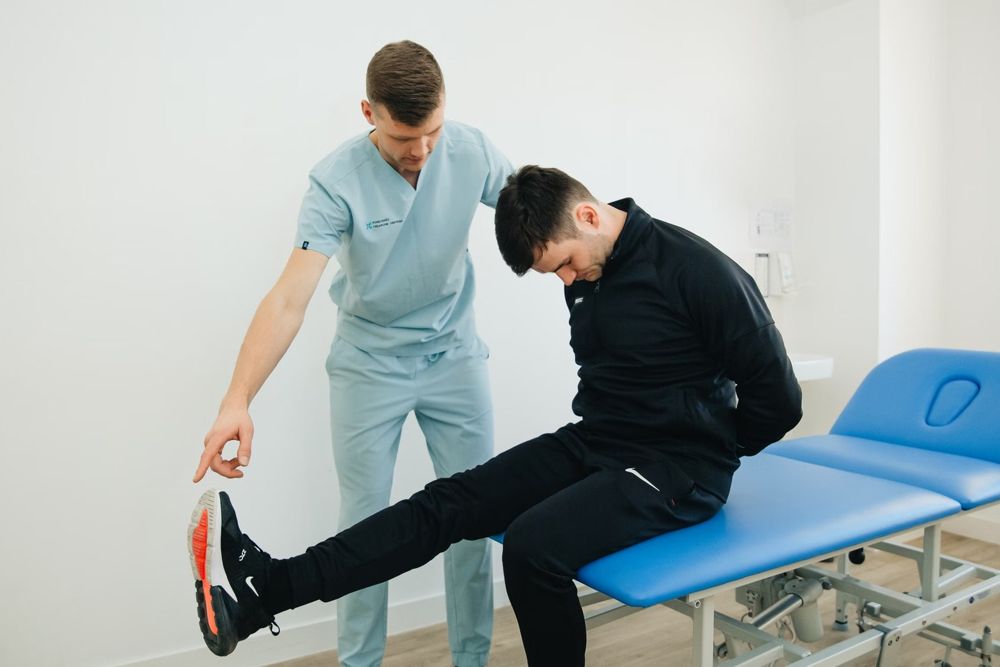
Physiotherapy in the first 90 days focuses on relearning movement: getting in and out of bed safely, walking with or without aids, managing stairs, and rebuilding strength in affected limbs. A mobile physiotherapist working in the home can assess the actual environment (the specific bathroom, the back step, the driveway slope) in a way that a clinic-based therapist cannot. This environmental specificity matters enormously for functional goals.
Occupational therapy addresses activities of daily living, which after a stroke can include dressing, cooking, toileting, and driving. An OT will commonly recommend home modifications, assistive equipment, and structured practice of daily tasks. For families where the stroke survivor was previously independent, this is often the most emotionally loaded domain.
Speech pathology covers both communication and swallowing (dysphagia). Dysphagia after stroke is underrecognised and carries real risk of aspiration pneumonia, a common cause of post-stroke hospital readmission. Speech pathologists working in the home can observe meal preparation and family mealtime dynamics in a way that a hospital outpatient clinic cannot replicate.
Neuropsychology and clinical psychology are less commonly accessed but critically important. Post-stroke depression affects a large proportion of survivors and significantly impairs rehabilitation engagement. Cognitive changes, including memory, attention, and executive function, affect daily safety and carer burden. Access to these services remains patchy in Australia, particularly outside major metropolitan areas.
Preventing the Second Stroke
One of the most important, and most overlooked, jobs of the first 90 days is secondary prevention. People who have had a stroke or transient ischaemic attack are at markedly higher risk of another, with international data suggesting up to 10 to 16 per cent have a further stroke within the first year.[12] Most of the underlying risk factors, uncontrolled high blood pressure, atrial fibrillation, high cholesterol and diabetes, are symptomless and controllable, which is why the GP follow-up appointment and consistent medication management are not administrative afterthoughts but central clinical work.
This is where a home-visiting nurse or pharmacist medication review can be valuable. Post-stroke medication regimes are often complex and newly introduced, and a stroke survivor with communication or cognitive changes may struggle to manage them independently. Getting this right in the first 90 days is one of the highest-value things a family and care team can do, because more than 80 per cent of strokes are considered preventable through risk-factor control.[9]
Telehealth After Stroke: A Useful Tool With New Conditions Attached
Telehealth expanded significantly during the pandemic and remains an important option for stroke survivors who have mobility difficulties. However, from 1 November 2025, Medicare telehealth rebates require an in-person GP visit within the previous 12 months, or enrolment with MyMedicare. For a stroke survivor returning home from hospital, this condition is usually straightforward to meet, but carers should be aware of it when arranging ongoing appointments, particularly if the person has moved or changed GPs during the hospitalisation.
MyMedicare enrolment is increasingly worth prioritising for stroke survivors and their families. From mid-2026, MyMedicare-registered patients can establish enduring bulk-billing consent, meaning carers do not need to sign Medicare assignment documents at every visit, a genuine administrative relief for families managing complex ongoing care.[4] For families coordinating multiple appointments across multiple providers, this reduction in paperwork has real practical value.
Bulk Billing in Stroke Recovery: Who Benefits From the Recent Changes
The financial burden of stroke recovery is substantial and often underestimated before discharge. From 1 November 2025, bulk-billing incentives were extended to all Medicare-eligible patients, not just children and concession card holders, and a new voluntary Bulk Billing Practice Incentive Program pays GP practices an additional 12.5 per cent loading if they bulk bill every patient.[1] This is a meaningful change for stroke survivors who are of working age, or whose spouses are of working age, and who previously faced out-of-pocket costs for GP visits.
In practice, whether a local GP practice adopts the new incentive program varies by location and practice economics. In higher-cost metropolitan areas or in regions with GP shortages (a persistent problem that the AMA’s Vision for Australia’s Health 2024–2027 identifies as requiring urgent attention),[8] the incentive may not be sufficient to shift practice billing patterns. Families in outer-suburban or regional areas may continue to encounter out-of-pocket GP costs despite the reform. This compounds an existing inequity: regional Australians are around 17 per cent more likely to have a stroke than their metropolitan counterparts, yet have fewer services to recover with.[9]
Specialist costs remain a separate and significant issue. Neurologists, rehabilitation physicians, and cardiologists are all commonly involved in post-stroke care. The Health Legislation Amendment (Improving Choice and Transparency for Private Health Consumers) Bill 2026, which passed through Parliament earlier this year, enables the government to publish comparable information on specialist fees and expected out-of-pocket costs via the Medical Costs Finder.[2] Once fully operational, this will give stroke families the ability to compare specialist fees before committing to appointments, which is particularly relevant where the choice of private versus bulk-billed specialist significantly affects out-of-pocket exposure.
The Restorative Care Pathway for Stroke Survivors
For stroke survivors who are older Australians and need a structured reablement period after hospital, the Restorative Care Pathway (which replaced Short-Term Restorative Care under Support at Home) offers up to 16 weeks of intensive support, with a budget of around $6,000 and up to around $12,000 for eligible participants, delivered separately from any ongoing Support at Home budget. Clinical care within this pathway carries zero co-contribution.
This pathway is specifically designed for situations like post-stroke recovery, where a person has experienced a significant functional decline and needs intensive allied health input to rebuild capacity. Physiotherapy, occupational therapy, and speech pathology are all appropriate within the Restorative Care Pathway, and accessing it early can meaningfully reduce the ongoing level of care required long-term.
Referral into this pathway goes through the Single Assessment System (which replaced the former ACAT assessment process from December 2024). Families who were familiar with the old ACAT process should note the terminology and pathway have changed.
The Carer’s Reality in the First 90 Days
The 90-day window after stroke is not just a clinical period for the survivor. It is frequently a period of acute crisis for the carer, usually a spouse or adult child who has had no preparation for the physical and emotional demands involved. Given that families provide an estimated $3.3 billion of unpaid stroke care each year, this is a workforce the system depends on but rarely counts.[9]
Common carer experiences in this period include sleep disruption from overnight care needs, difficulty managing medications they have not previously been responsible for, and a profound sense of loss for the relationship and daily life that existed before the stroke. Post-stroke carer burden is associated with carer depression and physical health decline, neither of which receives adequate system attention.
Carer Gateway (1800 422 737) provides practical support including carer coaching, counselling referrals, and emergency respite access. It is systematically under-used because carers do not self-identify as needing services; they are focused entirely on the person they are caring for. Any clinician visiting a stroke survivor at home should actively ask about carer wellbeing and mention Carer Gateway by name.
From mid-2026, new rules around assignment of benefit (the Medicare consent process) allow carers to make enduring agreements on behalf of eligible patients, reducing the administrative load at every appointment.[4] For families managing a stroke survivor who has cognitive or communication impairment, this is a genuinely meaningful change.
What the System Gets Wrong (and Why)
The gaps in stroke home recovery support are not accidental; they reflect structural features of the Australian health system that current reforms are only partially addressing.
Five allied health sessions per year under the GPCCMP is insufficient for post-stroke rehabilitation, which is often most effective when delivered intensively in the early weeks. There is no formal escalation mechanism for clinicians who identify that a patient needs more intensive input than five sessions allow. Private health insurance can supplement this, but the value and gap costs of private specialist and allied health services remain opaque until the transparency reforms are fully operational.[2]
Access to neuropsychological assessment after stroke is a known bottleneck in most states. The AMA’s 2024–2027 vision document identifies chronic disease management and specialist access as requiring fundamental reform,[8] but the 2026–27 Federal Budget’s failure to include funded Health Technology Assessment reform has been criticised by peak industry bodies as a missed opportunity to improve access to newer treatment models.[3]
Regional and rural stroke survivors face compounded disadvantage. Fewer mobile allied health practitioners, longer distances to outpatient services, GP shortages, and limited availability of specialist telehealth services create a substantially worse recovery environment than metropolitan survivors experience. The bulk-billing incentive reforms may not fully close this gap if workforce is the limiting factor rather than billing structure.
Frequently Asked Questions
What allied health services does a stroke survivor need in the first 90 days at home?
Most stroke survivors need physiotherapy (mobility and strength), occupational therapy (daily tasks and home modifications), and speech pathology (communication and swallowing). The mix depends on which brain regions were affected. A GPCCMP from your GP provides up to five Medicare-subsidised sessions per year across these disciplines, which can run alongside other funded pathways.
Is home-based stroke rehabilitation covered by the Australian government?
It depends on age and program eligibility. For older Australians in Support at Home, clinical allied health is fully funded with zero co-contribution. The Restorative Care Pathway offers a time-limited intensive reablement budget of up to around $12,000. Medicare’s GPCCMP provides subsidised sessions for all eligible Australians. Private health insurance can cover additional sessions depending on your policy.
How do I access a home-visiting physiotherapist or occupational therapist after stroke?
Your GP or hospital discharge coordinator can write a referral under the GPCCMP. For older Australians, My Aged Care (1800 200 422) is the access point for Support at Home and the Restorative Care Pathway. Mobile therapists can also be accessed privately or through platforms that connect patients with qualified home-visiting practitioners via a postcode search.
What support is available for stroke carers?
Carer Gateway (1800 422 737) provides coaching, counselling referrals, and emergency respite. From mid-2026, new enduring Medicare consent rules reduce administrative burden for carers acting on behalf of stroke survivors with cognitive or communication impairment.
Will our GP bulk bill for stroke follow-up appointments?
From 1 November 2025, the bulk-billing incentive was extended to all Medicare-eligible patients, and practices that bulk bill every patient receive an additional 12.5 per cent payment. Whether your practice adopts this depends on its own billing decisions, so it is worth asking directly.
Can telehealth be used for stroke follow-up?
Yes, but from 1 November 2025, Medicare telehealth rebates require an in-person GP visit within the previous 12 months or MyMedicare enrolment. Most stroke survivors returning from hospital will meet this requirement, but carers should confirm enrolment status when arranging ongoing telehealth appointments.
References
- Australian Medical Association. Changes to Bulk Billing Incentives in General Practice (effective 1 November 2025; expanded eligibility and Bulk Billing Practice Incentive Program).
- Parliament of Australia. Health Legislation Amendment (Improving Choice and Transparency for Private Health Consumers) Bill 2026.
- Medicines Australia. Budget Ignores Life-Changing New and Future Medicines. 2026.
- Australian Government Department of Health, Disability and Ageing. Improving the Assignment of Benefit Process (enduring consent from 1 July 2026).
- Australian Medical Association. Vision for Australia’s Health 2024–2027.
- Stroke Foundation. Facts and Figures About Stroke and Economic Impact of Stroke Report (Monash University, 2024): 45,785 stroke events in 2023; ~440,000 survivors; $15+ billion lifetime cost; 1 in 4 strokes under 65; regional risk 17% higher; >80% preventable.
- Stroke Foundation. New Data Shows Stroke Is One of Australia’s Biggest Killers (9,147 stroke deaths in 2024; fourth leading cause of death, ABS Causes of Death). December 2025.
- Evidence-Based Community Stroke Rehabilitation, Stroke (AHA), and Cochrane Early Supported Discharge review (CD000443): ESD reduces death or institutional care and hospital length of stay; home-based rehabilitation at least equivalent to centre-based.
- World Stroke Organization. Global Stroke Fact Sheet 2025 (recurrent stroke risk; secondary prevention).