HOME VISIT physiotherapy
For a list of Home Visit Physiotherapists in your area, please enter your postcode or suburb in the search box.
A mobile physiotherapist comes to you, so you do not have to get yourself to a clinic when that feels hard, painful or just impractical.
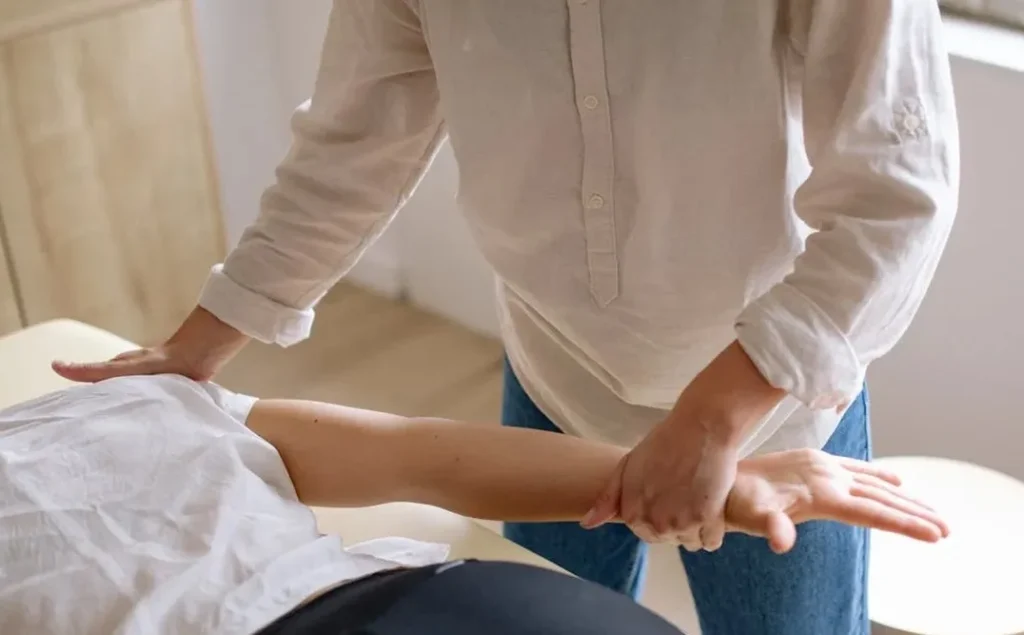
Mobile physios can help with injuries, sore joints, muscle pain, rehab after surgery, or getting your movement back after a setback. The session might be hands-on treatment, exercises, advice, or a mix of all three.
One benefit of a home visit is that the physio can see how you actually move around day to day. Getting out of a chair, using stairs, walking through the house, getting in and out of bed – those things matter.
Enter your postcode to find a mobile physiotherapist near you.
Why should you choose a home visit physiotherapist?
Having a physio come to your home can make the appointment a lot easier.
You don’t have to organise transport, deal with parking, or push through a trip to a clinic when moving around is already difficult. That can be a big help if you’re recovering from surgery, managing pain, feeling unsteady on your feet, or relying on someone else to drive you.
It also means the physio can see what daily life actually looks like for you. Stairs, chairs, hallways, bathrooms, beds — these things can all affect your recovery. Seeing them in person can make the advice more useful.
A home visit also gives you time to focus on what you need help with, rather than rushing in and out of an appointment. The physio can work with your goals, your space, and the things you’re finding hardest day to day.
Finding mobile physiotherapists on our online directory for anywhere in Australia is incredibly easy and convenient.
Finding a mobile physio should be fairly simple.
Enter your suburb or postcode and you’ll be able to see physiotherapists who visit your area. From there, you can read through their profiles, check their background, and see what kinds of support they offer.
It’s a useful way to compare options without having to call around or guess who might travel to you. Whether the appointment is for you or someone you care for, you can find someone local and get in touch directly.
HOME VISITING PHYSIOTHERAPISTS PROVIDE SUPPORT FOR OLDER PEOPLE AND CHILDREN
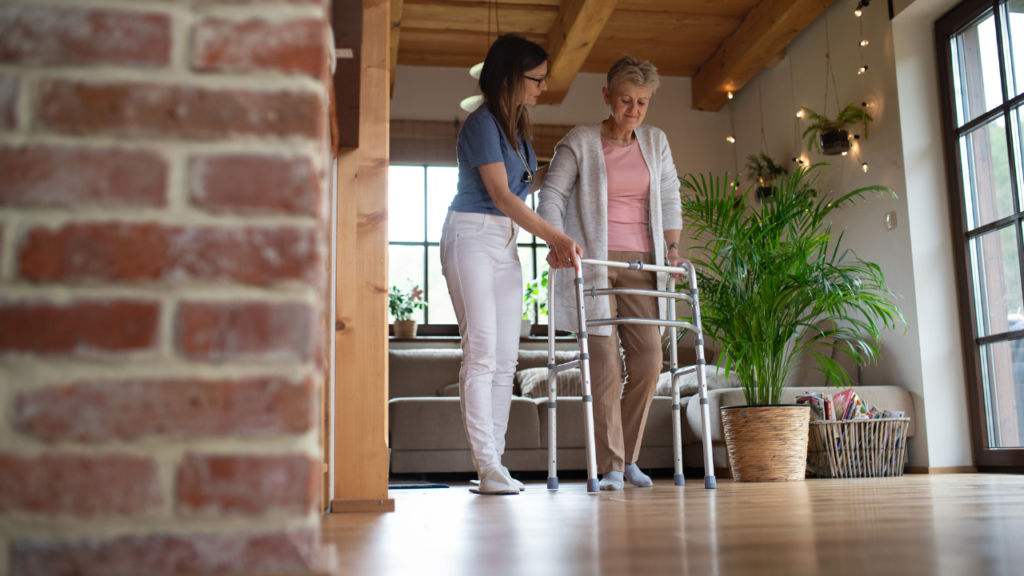
For older people, home physio can help with the practical things that make daily life harder – getting out of a chair, walking safely, using stairs, building strength, or feeling steadier on your feet. It can also be useful after surgery, or when pain and stiffness from conditions like arthritis start getting in the way.
The physio can also look at the home itself. Things like rugs, steps, bathrooms, chairs and walking space can all matter when someone is trying to stay safe and independent.
For children, home physio is often about helping with movement, strength, coordination or developmental delays. Sessions can include easy-to-understand exercises, activities that are disguised as play, and advice for parents so they know what to keep working on between visits.
The main benefit is that the physio sees the person in their usual space, not just in a clinic room. That can make the support more practical from the start.
What does a home visit from a PHYSIOTHERAPIST entail?
At a home visit, the physio will usually start by asking what’s been happening, and how your body feels.
They’ll want to know where you’re sore, what feels harder than usual, and what you’re hoping to get back to doing. They may ask about any recent surgery, falls, injuries, or health issues that could be part of it.
From there, they’ll watch how you move. That might mean checking your walking, balance, strength, or how far you can move a joint before it hurts.
It’s not about putting you through a big test. It’s about seeing what’s going on, in your own space, so they can work out what might help.
Why do people seek a PHYSIOTHERAPIST?

Injury and Surgical Rehabilitation

Chronic Pain Management

Pediatric Developmental Support

Musculoskeletal Condition Treatment

Postural Correction and Alignment

Neurological Rehabilitation Support

Respiratory Condition Management

Pre and Postnatal Care

Motor Skill Development

Pediatric Orthopedic Care

Balance and Fall Prevention