aged care allied health
The Swelling That Changes What You Wear, Where You Go and How You Feel
The shoes you planned to wear will not fit comfortably. Your sleeve feels tight, and getting ready for lunch with a friend suddenly seems like too much effort. When swelling keeps changing what feels comfortable, it can begin to shape your whole day.
These changes deserve attention. Persistent swelling can affect movement, confidence and independence. Lymphoedema is one possible cause, and physiotherapists and other practitioners with specialist training can help. The first step is finding out why the swelling is happening.
Swelling needs an explanation
Oedema means fluid collecting in tissues. Causes include vein problems, heart or kidney disease and medicines. New swelling should not automatically be labelled lymphoedema or treated with massage.[1]
Lymphoedema develops when the lymphatic system cannot adequately drain fluid. It commonly affects arms or legs, but can involve other areas, including the breast, trunk, genitals, head or neck. It may arise from differences in lymphatic development or damage following surgery, radiotherapy or injury. Symptoms can appear years after cancer treatment.[2]
Heaviness, tightness, aching or difficulty moving may accompany swelling. Shoes, rings or clothing can become uncomfortable before the change looks dramatic. Lymphoedema usually needs ongoing management, but treatment can help control it.[2]
When to seek urgent help
- Call triple zero (000) for severe breathing difficulty or chest pain.
- Seek urgent medical assessment for sudden swelling, new swelling in one leg or swelling with breathlessness. A blood clot or another serious cause needs consideration. Do not massage unexplained sudden swelling while awaiting assessment.[1]
- Seek medical care that day if swollen skin becomes hot, painful or red, with or without fever. This may be cellulitis, an infection requiring antibiotics. Pause lymphatic drainage and ask your treating team when to restart.[3]
What lymphatic massage can—and cannot—do
Manual lymphatic drainage, often called MLD, is a specialised massage technique intended to encourage lymph towards functioning drainage pathways. It uses slow, gentle movements rather than deep muscle pressure.[3]
It may form part of complex lymphoedema therapy, alongside compression, movement, skin care and education. Not everyone needs every component. Treatment should reflect the affected area, severity and your other health conditions.[4]
Massage is not a cure or a guaranteed way to keep swelling down between appointments. Cancer Council notes that research into manual and simple lymphatic drainage continues. Compression remains important for many people.[5] Ask: “What benefit should I expect, how will we measure it, and when will we review whether these visits are helping?”
Choose someone with specific lymphoedema training
Physiotherapists, occupational therapists, nurses and some massage therapists undertake additional lymphoedema training. Their services depend on both that training and their professional scope. The Australasian Lymphology Association (ALA) register lets you search by profession, treatment area and home visits.[6]
Before booking, ask:
- What lymphoedema training have you completed?
- Do you treat swelling in this part of the body?
- Can you assess compression needs and teach home care?
- What will assessment, treatment and travel cost?
- How will you communicate with my GP or specialist?
If appropriate, your practitioner can teach you or a willing carer simplified drainage.[5] Ask for a demonstration and written instructions tailored to you, including when to stop and seek advice.
A plan that works in your home
Make compression manageable
Compression needs an individual assessment: the right size, style and pressure matter. It can be unsafe in some medical circumstances, and poorly fitting garments can worsen problems. Have garments prescribed and fitted by someone appropriately trained.[5]
Tell the practitioner if arthritis, back pain or weak hands make dressing difficult. Practise putting garments on and taking them off. Ask about dressing aids or alternative designs, and what to do if you develop pain, numbness, colour changes or skin damage.
Get clear instructions about daytime wear, exercise, overnight use and replacement. A garment plan you cannot physically follow needs adjustment.
Fit care around ordinary life
- Clothing: avoid tight bands digging into swollen areas. Bring troublesome shoes or clothing to your appointment.
- Movement: discuss walking, seated movement or other suitable activity, and ways to interrupt long periods of sitting.
- Rest: ask whether supported elevation would help your swelling.
- Skin: wash gently, moisturise and keep between the toes dry. Protect skin during gardening and seek help for wounds or suspected fungal infection.
- Heat: plan cooler times for outings and avoid overheating.[3]
A home appointment lets you show where care becomes difficult: the low chair you dress in, the bathroom layout or the cupboard where supplies are stored. Ask the practitioner to prioritise changes that would make your routine easier.
If the current routine is not enough
Ask for reassessment if swelling increases or treatment takes over your day. An intensive treatment phase followed by a manageable maintenance routine may help.[4]
Selected people may benefit from a prescribed home compression pump or specialist surgical assessment. Low-level laser therapy is another possible addition, but research is continuing. Ask what evidence applies to your situation, likely costs and whether ongoing compression will still be needed.[5]
Do not start “fluid tablets” yourself. Diuretics do not treat lymphoedema itself, although a doctor may prescribe them for another cause of swelling. Do not stop prescribed medicines without advice.[3][1]
Explain what swelling is stopping you doing
You might say: “My legs feel heavy by lunchtime. I cannot get my shoes on, and I have stopped going shopping. Can we work out the cause and make a plan I can manage?”
Bring a medicine list and note when swelling began, whether it changes overnight and any previous surgery, radiotherapy or infections. Choose one practical goal, such as dressing independently or returning to a weekly outing.
Feeling self-conscious or discouraged also deserves attention. Counselling or peer support may help.[2] Carers can offer help with appointments and the agreed routine while respecting privacy and choice. Ask before touching or helping with garments.
Finding care and understanding costs
Funding information checked on 12 October 2026. Ask your GP about public lymphoedema clinics and private practitioners. Confirm referral requirements, waiting times and home visits. If distance is a barrier, ask whether some follow-up can happen by telehealth.[5]
Medicare
Eligible patients with a GP Chronic Condition Management Plan may receive rebates for physiotherapy or occupational therapy. The allowance is generally up to five individual services shared across eligible professions per calendar year, or up to ten for eligible Aboriginal and Torres Strait Islander patients. A lymphatic massage booking does not automatically qualify.[7]
The new plans began on 1 July 2025. Older GP Management Plans and Team Care Arrangements made before that date can support eligible care until 30 June 2027, with a valid referral.[8]
Under the new pathway, the plan must have been prepared or reviewed within the previous 18 months. Separately, referrals last for their stated period or, if none is stated, 18 months from the first service. Neither rule increases the annual allowance.[7][8]
For plan preparation and reviews, use your MyMedicare registered practice if registered; otherwise use your usual medical practitioner. Registration is not compulsory.[8] Before treatment, ask the provider to confirm eligibility, your remaining sessions, the rebate, gap and travel costs.
Garments and aged care support
Ask about your state or territory’s garment subsidy before purchasing. The ALA directory is a starting point, but its scheme information was reviewed in February 2024. Confirm current eligibility, replacement allowances and out-of-pocket costs directly with the scheme.[9]
CHSP provides entry-level aged care support. For more complex needs, Support at Home replaced Home Care Packages on 1 November 2025. If existing help is insufficient, ask your provider or My Aged Care on 1800 200 422 about reassessment.[10] Allied health may be approved under either program, but approval does not guarantee specialist availability or immediate funding.[12][13]
Under Support at Home, approved clinical supports have no participant contribution, while remedial massage sits in a contribution-paying category. Ask how your proposed lymphoedema service is classified. Provider prices still draw on your budget; garments and equipment need separate confirmation.[13]
Since 1 October 2026, approved personal care, including dressing assistance, has no participant contribution under Support at Home, provided funds remain available. Ask whether help with your garment routine fits your approved care.[11]
CHSP contributions vary. If you cannot afford them, tell the provider and ask about its financial hardship policy.[14] A useful opening is: “I need help managing swelling, but cost and getting dressed are stopping me. What can you arrange, and what would I pay?”
For home visits, explore Home Visit Network’s provider directory and check each practitioner’s lymphoedema qualifications.
Frequently asked questions
Do swollen ankles mean I have lymphoedema?
No. Vein problems, medicines and heart or kidney conditions can also cause swelling. Arrange medical assessment. Sudden swelling, new one-sided leg swelling or breathlessness needs urgent attention.[1]
Can a physiotherapist provide lymphatic massage?
Yes, with appropriate lymphoedema training. Ask about experience with your affected body area and whether they can assess compression and teach home care. The ALA register can help you search.[6]
Can massage replace compression?
Do not assume it can. Management is individual and commonly combines several approaches. Ask which components you need and how progress will be reviewed.[4]
What if I cannot manage the daily routine?
Tell your practitioner exactly what is difficult. Ask them to prioritise tasks, demonstrate aids and agree on a realistic routine. With your consent, a carer can join the appointment to learn how to help.
References
- Healthdirect — Fluid retention
- Healthdirect — Lymphoedema
- Cancer Australia — Lymphoedema: What you need to know
- Australasian Lymphology Association — Lymphoedema management
- Cancer Council — Understanding lymphoedema
- Australasian Lymphology Association — Find a practitioner
- Services Australia — Services available under a GP chronic condition management plan
- MBS Online — Item 10960 and associated explanatory notes
- Australasian Lymphology Association — Compression garment schemes
- My Aged Care — Frequently asked questions
- My Aged Care — Support at Home funding changes from 1 October 2026
- My Aged Care — Allied health and therapy
- My Aged Care — Support at Home costs and contributions
- My Aged Care — Commonwealth Home Support Program costs
Information checked: 12 October 2026.
This article provides general information and does not replace assessment or advice from your healthcare professionals.
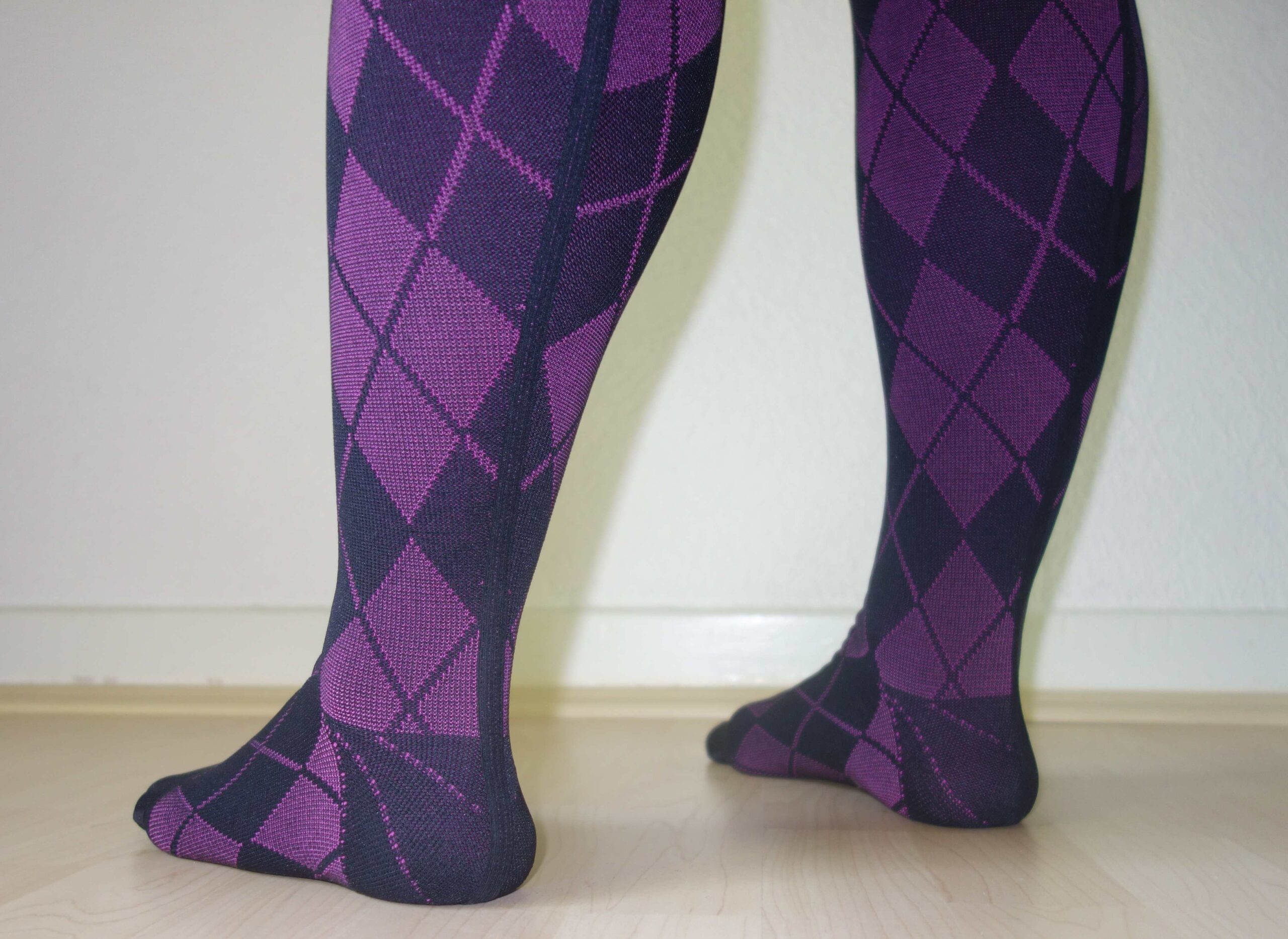
Featured image: Flat-knit compression stockings by Enter, via Wikimedia Commons, licensed under CC BY-SA 4.0. Resized and cropped for display.