aged care
Mobile Audiology Services at Home | Home Visit Network
What Mobile Audiology Actually Involves
When people think of audiology, they picture a soundproofed booth at a clinic, a receptionist, a waiting room. Mobile audiology dismantles that image completely.
A qualified mobile audiologist arrives at the patient’s home carrying portable, calibrated diagnostic equipment. In September 2025, Australian health ministers confirmed that audiology will be regulated under the National Registration and Accreditation Scheme (NRAS)—joining 16 other health professions including optometry, physiotherapy, and psychology—with mandatory national registration, title protection, and a formal complaints process under AHPRA to follow as the regulatory framework is developed over coming years. This is the most significant reform in the history of Australian audiology, and it further reinforces the quality standards patients can expect from qualified practitioners, whether seen in a clinic or at home.
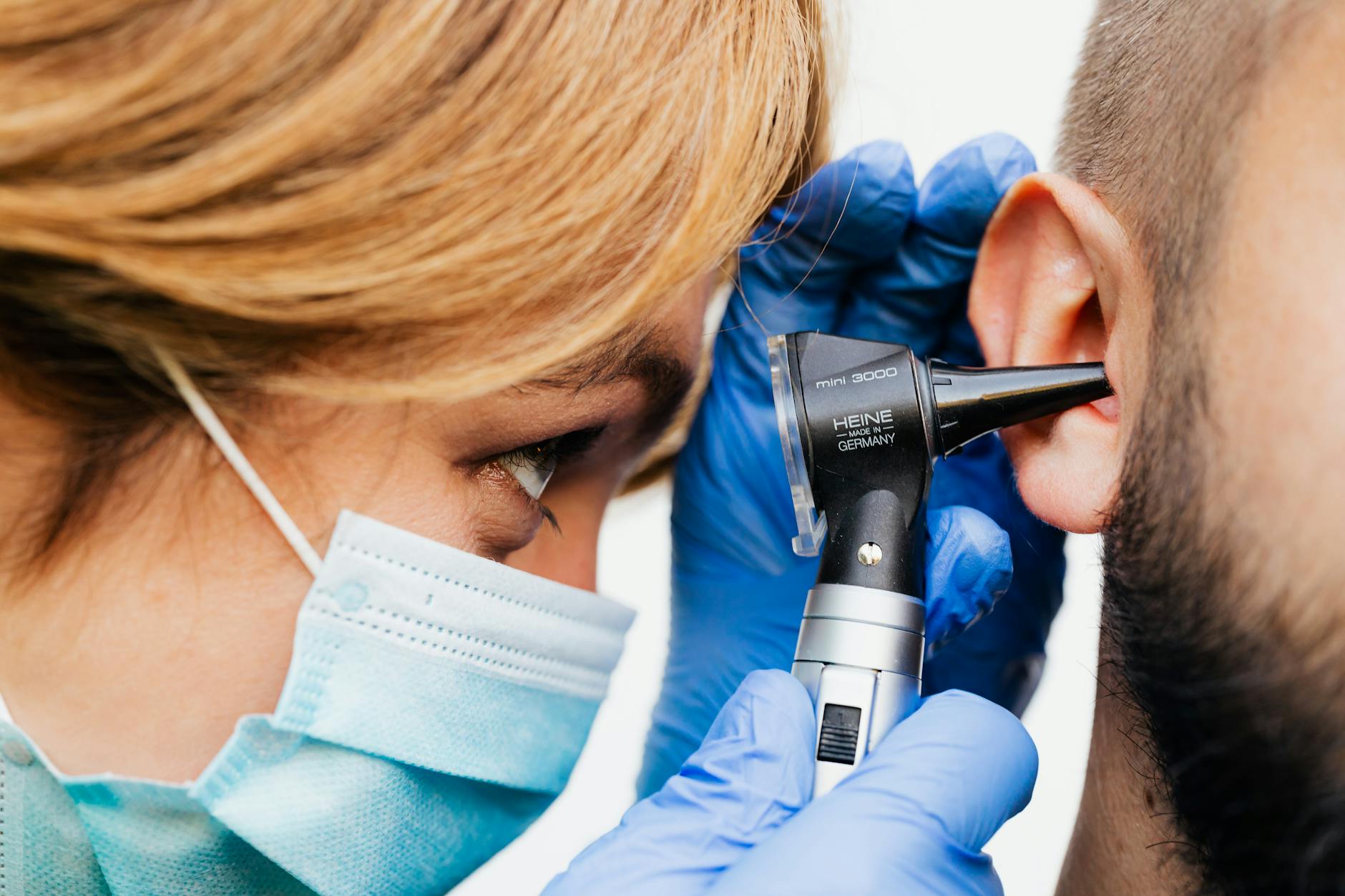
They can conduct comprehensive hearing assessments, fit and programme hearing aids, provide ongoing hearing aid maintenance and repairs, offer tinnitus consultations, and counsel patients and families about hearing health. The clinical quality is comparable to a fixed clinic, but the setting is the patient’s own lounge room, bedroom, or common room in a residential facility.
For older Australians especially, this model addresses a genuine access problem. Organising transport to a clinic, navigating unfamiliar environments, managing fatigue, and sitting in waiting rooms can be significant barriers. For carers, adding another clinic appointment to an already complex schedule is a real burden. Mobile audiology removes these layers of difficulty.
In our experience working with mobile practitioners, the home environment also provides valuable clinical context. An audiologist can observe how someone interacts with their television, assess whether the phone amplification settings are appropriate for their actual device, and understand the acoustic environment the person lives in every day. That contextual information shapes much better recommendations than a standardised clinic visit.
Who Benefits Most From Mobile Audiology Services
The short answer is: anyone who finds it difficult or impossible to attend a fixed clinic. But it’s worth being specific about the populations who benefit most, because that specificity matters when families and carers are making decisions.
Older Australians and those in residential aged care. Hearing loss is extraordinarily prevalent in this group, and the numbers are starker than many people realise. While roughly one in three Australians over 65 experiences hearing loss in the broader community [1], a 2025 study published in the International Journal of Audiology—the first to systematically examine the challenges facing hearing clinicians providing services in Australian aged care settings—confirmed that hearing loss affects up to 90% of people in residential aged care [2]. The same research found that hearing impairment in this setting tends to go undiagnosed and undertreated, compounding the problem significantly. Hearing loss in this context is linked to social isolation, depression, cognitive decline, and increased falls risk. Regular access to an audiologist, without the disruption of leaving the facility, makes ongoing hearing care far more achievable.
People with disability. For NDIS participants, hearing health often sits within a broader care plan, and recent scope of practice reforms recommending direct audiologist-to-ENT referral pathways streamline specialist access when needed after home assessments. Mobile audiology means the service comes to the participant rather than requiring them to manage the logistics of yet another external appointment. This is particularly relevant for people with physical disabilities, autism spectrum disorder, or complex communication needs, where unfamiliar clinic environments can create genuine distress.
Housebound patients. People recovering from surgery, managing chronic illness, or who simply cannot leave the home safely benefit enormously from any healthcare service that comes to them. Untreated hearing loss in these individuals compounds their isolation.
Carers and families. This is a group whose needs are often overlooked in discussions about mobile healthcare. Families who use our platform tell us that the cumulative effect of managing multiple clinic appointments is exhausting. A mobile audiology visit that fits into the existing care routine at home reduces that burden meaningfully.
Earwax Removal: The Overlooked Part of Hearing Health
Here is something that doesn’t get enough attention in conversations about hearing care, and it’s worth raising directly: earwax removal.
Earwax buildup is one of the most common and easily treatable causes of temporary hearing loss. It can muffle sound, create discomfort, interfere with hearing aid performance, and lead people to believe their hearing has deteriorated when the problem is, in fact, mechanical. Yet many people, particularly older adults and those with hearing aids, don’t connect earwax to their hearing difficulties.
The 2025 International Journal of Audiology study on aged care hearing services found that earwax occlusion was a frequently occurring problem that caused real delays in care, and the researchers specifically recommended that hearing clinicians providing services in aged care be trained to offer wax removal themselves. Evidence supports that earwax removal can be safely provided by properly trained hearing care practitioners [2]—and the home visit model is ideally placed to deliver it.
Mobile audiology services increasingly include professional earwax removal as part of the home visit. Methods used by qualified practitioners include microsuction, irrigation, and manual removal using specialised instruments. These are safe, effective, and significantly better than attempting to manage earwax at home with cotton buds (which typically compact wax further rather than removing it).
The therapists on our network report that earwax removal is one of the most frequently requested add-ons to a standard audiology home visit, and patient satisfaction is consistently high. For residents in aged care, regular earwax maintenance can meaningfully improve quality of life and communication, with mobile audiology services increasingly funded through Aged Care Packages, DVA cards, or the Hearing Services Program. For hearing aid users, clear ear canals are essential for the devices to function properly.
This is a growing field within mobile healthcare. As awareness increases, more mobile audiologists are offering earwax removal as a dedicated service, not just an incidental part of a broader assessment. If you’re arranging a mobile audiology visit, it’s worth asking specifically about this service.
Hearing Aids and Home-Based Fitting
One of the most significant advantages of mobile audiology is the ability to fit and programme hearing aids in the environment where they’ll actually be used.
Hearing aid fitting in a clinic involves calibration, but the acoustic environment of the clinic is artificial. The real test is how a hearing aid performs in a person’s kitchen, at the dinner table, or while watching television. Mobile audiologists can make real-time adjustments based on exactly these scenarios during the home visit.
For people who are new to hearing aids, this in-home support is particularly valuable. The learning curve for hearing aid use is real, and dropout rates are a known problem in hearing healthcare. When an audiologist can sit with a patient in their own environment, demonstrate how to use the device in context, and watch the patient practise insertion and removal with familiar furniture and lighting, adherence improves.
Follow-up visits, reprogramming, and hearing aid maintenance are also much easier to access when the service comes to you.
Hearing Loss, Cognitive Health, and Why Early Action Matters
The evidence linking untreated hearing loss to cognitive decline has grown considerably stronger in recent years, and it deserves direct attention in any conversation about the importance of hearing care.
The 2024 Lancet Commission on dementia identified hearing loss as the single largest modifiable risk factor for dementia from mid-life—ahead of smoking, physical inactivity, and high blood pressure [3]. A large meta-analysis of 50 cohort studies covering more than 1.5 million participants found that hearing loss is associated with a 35% increased risk of dementia, with the risk rising by approximately 16% for every 10-decibel deterioration in hearing [4].
Critically, there is growing Australian evidence that treating hearing loss may help. A 2026 study from Monash University and the University of Melbourne, using data from the ASPREE study of older Australians, found that hearing aid use in people with moderate hearing impairment was associated with a 33% reduction in dementia risk over seven years, with the protective effect increasing with more frequent device use [5].
Researchers are careful to note that the precise nature of the relationship is still being investigated—hearing loss may directly accelerate cognitive decline, amplify difficulties caused by other processes, or both. But the practical implication is clear: for older Australians, hearing loss is not a minor inconvenience to be managed eventually. It is a significant health matter warranting timely assessment and care. Mobile audiology removes one of the most common reasons that assessment doesn’t happen.
Funding Options for Mobile Audiology in Australia
Understanding how mobile audiology can be funded is essential information for patients, carers, and the GPs and nurses who may be referring into these services.
Medicare. Since March 2023, patients can claim Medicare rebates for hearing tests with a GP referral—a significant change from the previous requirement for an ENT specialist or neurologist referral, making home-visit assessments more financially accessible. Note that from July 2025, the GP Management Plan and Team Care Arrangement framework was replaced with a new GP chronic condition management plan, which affects how some patients access allied health services under Medicare. A valid GP referral remains essential for each visit to claim rebates.
The Australian Government Hearing Services Program. The Hearing Services Program covers eligible Australians for a range of audiology services, including assessments and hearing devices. Eligibility generally includes people over 21 who hold a pensioner concession card, a DVA gold or white card covering hearing conditions, or who are referred via certain community health pathways [6]. It’s worth checking current eligibility criteria directly with the Department of Health, as these can change.
DVA (Department of Veterans’ Affairs). DVA provides hearing services and devices to eligible veterans and war widows. Given that hearing loss is extremely common in the veteran community due to noise exposure during service, this is a significant pathway. Mobile delivery of these services aligns well with the DVA’s commitment to accessible care.
NDIS. Audiology can be funded under NDIS plans, typically under the Improved Daily Living support category. Mobile delivery is generally supported where it is reasonable and necessary for the participant. Families navigating NDIS plans should discuss audiology needs with their support coordinator.
Private health insurance. Many Australians have extras cover that includes audiology or hearing aids. The specific benefit and any limits vary by fund and policy level. It’s always worth calling your fund to confirm what’s covered before booking a service.
Self-funding. For those who don’t meet government scheme criteria, mobile audiology services are available privately. The cost of the home visit component is typically modest relative to the overall service cost, and many people find the convenience justifies the additional outlay.
Finding a Qualified Mobile Audiologist in Australia
When you’re looking for a mobile audiologist, qualifications matter. In Australia, audiologists should be members of Audiology Australia, which is the peak professional body and sets standards for education, ethics, and continuing professional development [7]. Audiometrists are also qualified hearing health practitioners, though with a different scope and training pathway.
The September 2025 ministerial decision to regulate audiology under AHPRA will, once fully implemented, add a further layer of public protection—including mandatory title protection and a national complaints process. In the meantime, Audiology Australia membership remains the clearest indicator of professional qualification for consumers.
The Home Visit Network platform was built by a mobile therapist who understood that finding qualified, vetted mobile healthcare professionals shouldn’t be difficult. That origin drives how we’ve approached the matching process: the focus is on connecting people with practitioners who are not just qualified on paper, but who genuinely specialise in home-based care and understand the particular dynamics of working in a patient’s home environment.
When searching for a mobile audiologist, ask about their experience with home visits specifically, the equipment they carry, and what services they can deliver in a home setting. Not all clinically qualified audiologists have experience or comfort with mobile work, and the home visit context requires specific skills.
What to Expect From a Home Audiology Visit
For those who haven’t experienced a mobile healthcare visit before, knowing what to expect helps.
The audiologist will typically confirm the appointment and discuss any relevant history or concerns before arriving. On the day, they’ll bring portable testing equipment, including devices for conducting hearing assessments without a soundproofed booth, a laptop or tablet for programming hearing aids, and any consumables for earwax removal or other services.
A quiet room in the home is preferable for hearing assessment, but mobile audiologists are experienced in managing background noise and will guide you on how to prepare the space. The assessment itself follows the same clinical process as a clinic visit.
The visit usually takes between one and two hours for a comprehensive assessment, shorter for specific services like hearing aid adjustments or earwax removal. Afterwards, the audiologist will explain findings clearly, discuss options, and provide written documentation that can be shared with GPs or other members of the care team.
Frequently Asked Questions
Is a home audiology visit as accurate as a clinic-based test?
Yes. Mobile audiologists use calibrated portable equipment that meets the same clinical standards as fixed clinic equipment. For some patients, the home environment actually produces more reliable results because they are more relaxed and comfortable.
Can hearing aids be fitted and programmed during a home visit?
Absolutely. Hearing aid fitting, programming, and adjustments are all services that qualified mobile audiologists can deliver at home. In many cases, in-home fitting produces better outcomes because adjustments can be made in the actual listening environments the patient uses daily.
Does Medicare cover mobile audiology services?
The Australian Government Hearing Services Program covers eligible Australians for audiology services regardless of delivery setting. Since 2023, a GP referral is sufficient to access Medicare rebates for hearing tests—an ENT or specialist referral is no longer required. NDIS and DVA may also fund mobile audiology visits. Private health insurance extras cover varies by fund and policy. It’s always worth confirming your specific entitlements before booking.
What is earwax removal and should I ask for it during an audiology visit?
Professional earwax removal involves safely clearing accumulated wax from the ear canal using techniques such as microsuction or irrigation. It’s worth raising with your audiologist, particularly if you use hearing aids, experience a sensation of blocked ears, or have noticed a recent change in your hearing. Many mobile audiologists offer this as part of their home visit service, and for residents in aged care it is particularly recommended.
How do I find a qualified mobile audiologist near me?
Look for audiologists who are members of Audiology Australia and who specifically offer home visit services. The Home Visit Network platform connects Australians with vetted mobile healthcare professionals, including audiologists, across a range of locations.
Is mobile audiology suitable for children?
Mobile audiology services can be appropriate for children in some circumstances, particularly those with disability or complex needs. However, paediatric audiology involves specific protocols, and it’s important to confirm that the practitioner has relevant experience with this age group.
Hearing health has too often been treated as an optional extra, something to address when it becomes impossible to ignore. For Australians who face barriers to accessing clinic-based care, mobile audiology services offer a genuine path to the assessment, treatment, and ongoing support that good hearing health requires. That access matters, not just for the person with the hearing loss, but for everyone around them.
References
- Deloitte Access Economics. (2017). The social and economic cost of hearing loss in Australia. Hearing Care Industry Association.
- El-Saifi, N., et al. (2025). Barriers and enablers to hearing service provision in aged care settings in Australia: perspectives from hearing clinicians. International Journal of Audiology. https://doi.org/10.1080/14992027.2025.2554236
- Livingston, G., et al. (2024). Dementia prevention, intervention, and care: 2024 report of the Lancet Commission. The Lancet.
- Sarant, J., et al. (2024). Adult-onset hearing loss and incident cognitive impairment and dementia: a systematic review and meta-analysis of cohort studies. Ageing Research Reviews.
- Huang, A., et al. (2026). Treating hearing loss with hearing aids for the prevention of cognitive decline and dementia. Neurology. https://pubmed.ncbi.nlm.nih.gov/41534012/
- Australian Government Department of Health, Disability and Ageing. Hearing Services Program. health.gov.au
- Audiology Australia. About Audiology Australia. audiology.asn.au