aged care
Mobile Osteopathy Home Visits in Australia | What to Know
What Is Mobile Osteopathy?
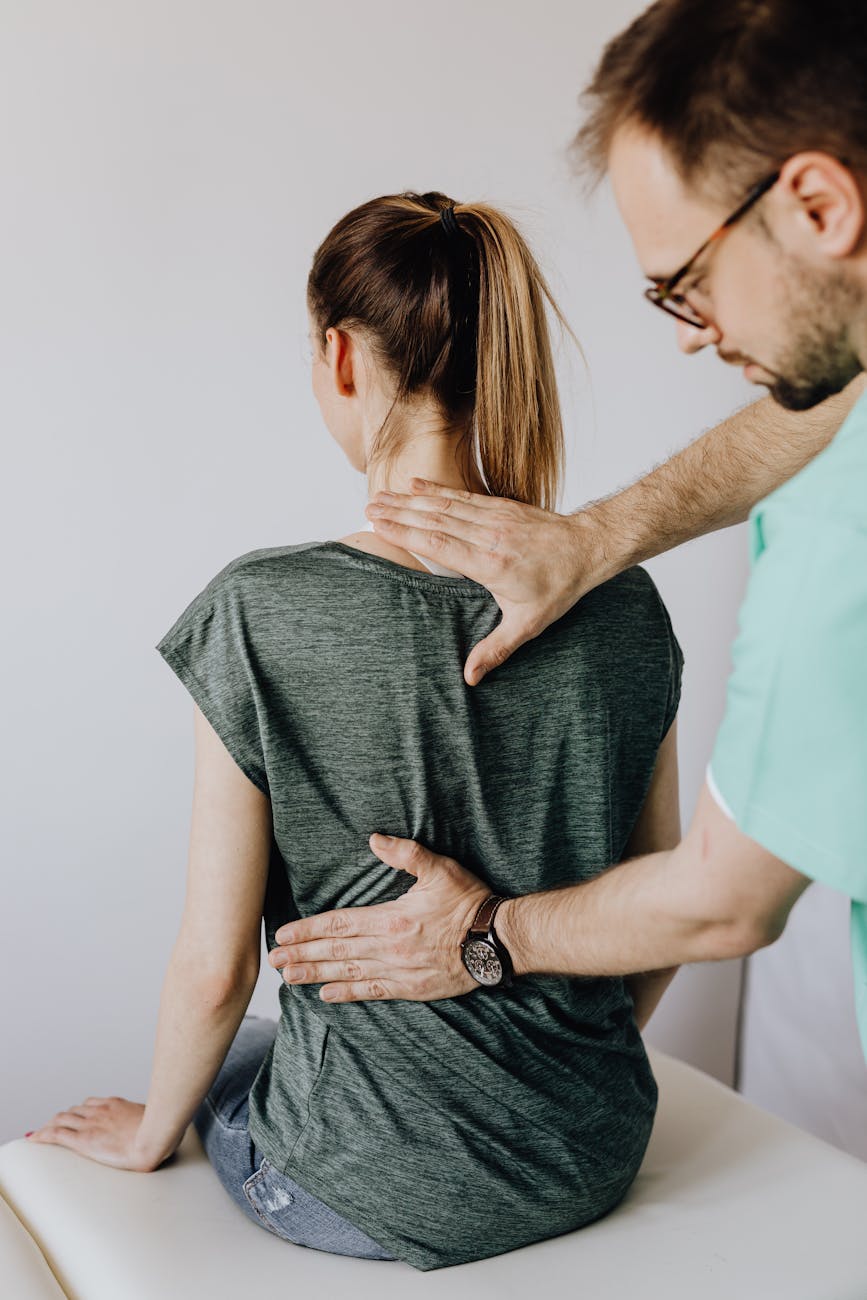
Osteopathy is a form of manual therapy that focuses on the relationship between the body’s structure and its function. Osteopaths are trained to assess and treat conditions affecting muscles, joints, nerves, and connective tissue using hands-on techniques including soft tissue massage, joint mobilisation, stretching, and manipulation.
In a clinic setting, you’d travel to the practitioner. With mobile osteopathy, the practitioner comes to you. They bring everything needed for the session, and treatment takes place in your home, whether that’s in a bedroom, a lounge room, or wherever is most practical.
Mobile osteopaths in Australia must be registered with the Osteopathy Board of Australia under AHPRA (the Australian Health Practitioner Regulation Agency). This means the same professional standards apply regardless of where the treatment occurs. You’re not getting a lesser form of care because it’s delivered at home.
Who Benefits Most from Home Visit Osteopathy?
The therapists on our network report that a significant proportion of their home visit clients fall into a handful of clear groups. Understanding which group you or your family member falls into can help you decide whether a home visit is the right approach.
Elderly Australians with reduced mobility: Conditions like osteoarthritis, osteoporosis, and general age-related deconditioning make travelling to a clinic genuinely difficult and sometimes painful. Two recent Australian studies confirm that osteopathy in aged care settings is a growing and valuable practice area. A 2024 study published in the Australasian Journal on Ageing by researchers at Southern Cross University was the first to formally explore the experiences of osteopaths working in Australian residential aged care facilities, finding positive clinical outcomes alongside the challenges of working in complex care environments [1]. A 2025 preprint from RMIT University (funded by Osteopathy Australia) interviewed nine osteopaths currently working in Australian residential aged care and found their roles had broadened substantially—encompassing exercise and reablement, functional assessment, falls reviews, and manual-handling support—following recent aged care funding reforms [2]. Regular osteopathic treatment can help manage pain, improve joint range of motion, and reduce fall risk, but only if the person can actually access it consistently. Home visits remove that barrier entirely.
People recovering from surgery or injury: Post-surgical recovery often involves a period where driving is not permitted, or where mobility is significantly restricted. A mobile osteopath can support rehabilitation during this critical window, working alongside the patient’s treating team.
Individuals with neurological conditions: Conditions like Parkinson’s disease, multiple sclerosis, or acquired brain injuries can make clinic visits logistically complex and physically demanding. In our experience working with mobile practitioners, these patients often respond particularly well to home-based care because it’s delivered in a familiar, low-stress environment.
People with severe anxiety, agoraphobia, or mental health conditions: Leaving the home can be a significant obstacle for some individuals. Receiving treatment at home, from a practitioner who has been matched to their needs, can make ongoing care feasible where it otherwise wouldn’t be.
Carers, parents of young children, and time-poor adults: Not every home visit patient is housebound. Some people simply can’t easily get to a clinic during business hours, whether because they’re caring for someone else, managing young children, or working in ways that make appointments difficult to schedule. Mobile osteopathy offers flexibility that clinic-based care can’t always match.
What Conditions Can a Mobile Osteopath Treat?
Osteopathy has a broad scope of practice, and the home environment doesn’t meaningfully limit what can be assessed and treated. Common conditions addressed through mobile osteopathy home visits include:
- Chronic lower back pain and sciatica
- Neck pain and cervicogenic headaches
- Hip, knee, and shoulder joint pain
- Postural strain and tension from prolonged sitting or bedrest
- Arthritis management (osteoarthritis and inflammatory arthritis, in collaboration with the patient’s GP or rheumatologist)
- Sports injuries in the recovery phase
- Rib and thoracic pain, including breathing pattern dysfunction
- Foot and ankle conditions
- Lymphatic drainage and general circulatory support for those with reduced activity levels
The evidence base for manual therapies used by osteopaths continues to grow. A 2025 systematic review published in BMJ Open examined manipulative therapy specifically in older adults and found that spinal manipulative treatment combined with home exercise produced statistically significant improvements in neck pain compared with home exercise alone [3]. For chronic low back pain, a systematic review and meta-analysis found osteopathic interventions were more effective than control treatments in both pain reduction and functional improvement, with myofascial release showing the strongest evidence for pain reduction [4].
Families who use our platform tell us that one of the most valued aspects of mobile osteopathy isn’t just the treatment itself. It’s the fact that the osteopath can observe the patient’s actual home environment—their bed, their chair, their daily movement patterns—and offer practical advice that a clinic-based practitioner simply can’t provide in the same way.
Osteopathy, Fall Risk, and the Ageing Population
Falls are one of the most serious and preventable health risks for older Australians. Osteopathy Australia’s January 2026 position statement on the profession’s role in aged care identifies fall prevention as one of the core contributions osteopaths make, including post-fall reviews, gait and stability assessments, functional capacity assessments, and the development of exercise-based therapy plans aimed at reducing fall risk and supporting community mobility [5].
The 2025 RMIT preprint of osteopaths working in Australian residential aged care specifically noted falls reviews as one of the expanded roles practitioners described following recent funding reforms—alongside exercise and reablement, functional assessment, and hands-on pain management [2].
When an osteopath visits a patient at home, they can also directly observe the environment itself—floor surfaces, furniture height, bathroom access, movement habits—that a clinic-based practitioner cannot assess in the same way. That contextual picture informs more practical recommendations and is a genuine clinical advantage of mobile delivery.
How Mobile Osteopathy Works in Practice
Mobile osteopaths on the Home Visit Network can be found by conducting a postcode search on the platform.
For the appointment itself, the osteopath will typically arrive with a portable treatment table if required, though many home treatments are conducted on the patient’s own bed or a firm surface. The initial consultation involves a health history, a physical assessment, and a discussion of treatment goals. Ongoing sessions are usually shorter and more focused.
In our experience working with mobile practitioners, the initial session often takes longer than a clinic consultation because the practitioner is also familiarising themselves with the home environment and understanding the broader context of the patient’s daily life. This is actually an advantage: it means the treatment plan is grounded in reality rather than what the patient can describe in a clinical setting.
Medicare, NDIS, DVA and Private Health: Understanding Your Funding Options
One of the most common questions we receive is about cost and funding. The answer depends on the patient’s circumstances.
Medicare: Osteopathy is not covered under standard Medicare rebates. However, patients with a chronic condition may be eligible through a GP Chronic Condition Management Plan (GPCCMP)—the scheme formerly known as a Chronic Disease Management (CDM) or Enhanced Primary Care (EPC) plan—which was updated on 1 July 2025. Under this scheme, a GP can refer eligible patients for up to five subsidised allied health visits per calendar year, with a Medicare rebate of $61.80 per session [6]. Referrals issued from 1 July 2025 are now standard referral letters (not specific forms) and are valid for 18 months from the date of first service. It’s worth discussing eligibility with the patient’s GP, particularly where osteopathy forms part of a broader management plan for a chronic musculoskeletal or neurological condition.
Private health insurance: Many Australian private health funds cover osteopathy under their extras cover. The rebate amount varies by fund and level of cover. Patients should check with their insurer whether home visits attract the same rebate as clinic visits, as policies differ.
NDIS: For participants whose NDIS plan includes funding for improved health and wellbeing or daily activities, osteopathy may be covered. This depends on the individual’s plan, goals, and whether the treating osteopath is a registered NDIS provider. The therapists on our network include practitioners with NDIS experience. Conducting a postcode search on the Home Visit Network platform will show available practitioners in your area.
DVA: Veterans and dependants with a DVA Gold Card may be eligible for osteopathy services covered by the Department of Veterans’ Affairs. DVA White Card holders may also have cover depending on their accepted conditions.
Support at Home: Osteopathy is included in the Support at Home service list under the independence services category, which means it is a funded service—but participant co-contributions do apply, based on income and assets. As at January 2026, Osteopathy Australia is actively lobbying the Department of Health to have osteopathy reclassified under the clinical care category (where services like nursing and physiotherapy sit, attracting no co-contribution). Until that reclassification occurs, older Australians accessing osteopathy through Support at Home will contribute a percentage of the service cost depending on their financial circumstances [5]. Patients should discuss their specific plan and contribution rates with their Support at Home provider.
What to Expect: A Practical Guide for Families and Carers
If you’re organising a mobile osteopathy home visit for a family member, a little preparation makes the session more productive.
Clear a space. The osteopath will need enough room to work around the patient. A cleared area in the bedroom or living room usually works well. If the patient uses a bed for treatment, ensure there’s enough space on at least one side of the treatment surface for the practitioner to stand and move.
Have the relevant health history ready. The osteopath will ask about medications, recent imaging (X-rays, MRIs), other treating practitioners, and the history of the condition. Having this information available, even just written down on a piece of paper, saves time and ensures nothing is missed.
Be present but not hovering. Families who use our platform tell us that patients often communicate more openly when family members give them a bit of space during the assessment, particularly around pain levels and what they’re struggling with at home. That said, for patients with cognitive impairment or significant communication difficulties, having a family member or carer present throughout is valuable and welcomed.
Prepare your questions. A home visit is an ideal time to ask the osteopath about things you’ve noticed that concern you, whether that’s a change in gait, difficulty getting up from a chair, or recurring pain in a specific area. The practitioner is in your environment and can often give more contextual advice as a result.
Finding the Right Practitioner
Not all clinically qualified osteopaths have experience with home visits, and the home environment requires a specific set of skills beyond clinical technique. When looking for a mobile osteopath, it is worth asking about their experience with home-based care specifically—how they manage assessments without clinic equipment, how they adapt treatment for patients with complex presentations, and whether they have worked with aged care residents, NDIS participants, or post-surgical patients in a home setting.
For patients who are already part of a broader care team—seeing a GP, a physiotherapist, a specialist, or a Support at Home provider—it is also worth asking how the osteopath approaches communication with other practitioners. Osteopathy works best when it complements rather than operates in isolation from the rest of someone’s care, and practitioners with experience in these environments will typically be comfortable writing reports, sharing assessments, and coordinating with the referring clinician.
You can find qualified mobile osteopaths who service your area by conducting a postcode search on the Home Visit Network platform.
Frequently Asked Questions
Is mobile osteopathy covered by Medicare?
Not directly under standard Medicare. However, patients with a chronic condition may be eligible for Medicare rebates through a GP Chronic Condition Management Plan (GPCCMP), which replaced the previous CDM and EPC plans from 1 July 2025. This provides a rebate of $61.80 per session for up to five allied health visits per calendar year. Referrals are valid for 18 months from the date of first service. Speak with your GP about whether you’re eligible.
How do I know if the osteopath is properly qualified?
All osteopaths in Australia must be registered with AHPRA under the Osteopathy Board of Australia. You can verify any practitioner’s registration on the AHPRA website. Every practitioner on the Home Visit Network is AHPRA-registered.
What should I do to prepare my home for the visit?
Clear enough space for the osteopath to work around the patient, ideally with room on at least one side of the treatment surface. Have the patient’s health history, medication list, and any recent imaging reports ready. Comfortable, loose clothing makes assessment easier.
Can a mobile osteopath treat someone with complex medical needs?
Yes, though the osteopath will work within their scope of practice and will communicate with the patient’s GP or specialist as needed. It’s important to inform the osteopath of all existing conditions and medications at the initial consultation. Some complex presentations may require a collaborative approach.
How is mobile osteopathy different from clinic-based osteopathy?
The treatment techniques are the same. The difference is that home-based treatment occurs in the patient’s own environment, which can be more comfortable and less stressful, and gives the osteopath valuable context about the patient’s daily life. There may be slight limitations on equipment, but these rarely affect the quality of treatment for most conditions.
Can I book a home visit osteopath through my NDIS plan?
Depending on your plan and goals, yes. NDIS funding for osteopathy varies by participant and plan type. Contact Home Visit Network and we can help match you with an osteopath who has NDIS experience and can discuss funding with you directly.
Is osteopathy funded under Support at Home?
Yes—osteopathy is on the Support at Home service list under the independence services category. Co-contributions apply for independence services based on income and assets. As at January 2026, Osteopathy Australia is lobbying for osteopathy to be reclassified under clinical care, which would make it co-contribution free like nursing and physiotherapy. Patients should confirm the current contribution rates with their Support at Home provider.
Is mobile osteopathy available in rural and regional areas?
Availability varies by location. Conducting a postcode search on the Home Visit Network platform will show which practitioners are currently available in your area.
Mobile osteopathy home visits aren’t a niche workaround for people who can’t get to a clinic. They’re a legitimate, high-quality model of care that meets patients where they are, often quite literally. For Australians who are housebound, elderly, living with disability, or simply navigating a complicated life, the ability to access skilled osteopathic treatment at home can be the difference between managing a condition well and letting it deteriorate.
There is also something clinically significant about the home visit that is easy to understate. When an osteopath works in a patient’s own environment, they are not just providing the same treatment in a different location. They are observing the bed the person sleeps in, the chair they spend most of their day in, the floor surfaces they navigate, the bathroom layout they manage every morning. That information shapes recommendations that a clinic consultation—however thorough—simply cannot produce. For older Australians especially, where the gap between what is manageable and what leads to a fall or a hospitalisation is often measured in small environmental details, that contextual insight is not a bonus. It is part of the care.
To find a qualified mobile osteopath who services your area, conduct a postcode search on the Home Visit Network platform.
References
- Amorim M, Bennett J, McGarry D, et al. Osteopathic health care in aged care facilities: The experience of practitioners in an emerging practice setting. Australasian Journal on Ageing. 2024;43(4):828–836. doi: 10.1111/ajag.13362
- Baxter D, Fleischmann M, Dickson K, DiGiorgio L, Spencer K, Fazalbhoy A. Integrating osteopathy into residential aged care: practitioner views on roles, barriers, and future directions. SSRN preprint, 2025. doi: 10.2139/ssrn.5722847
- Bagagiolo D, et al. Manipulative therapy in elderly patients with musculoskeletal conditions: a systematic review. BMJ Open. 2025;15:e088655. doi: 10.1136/bmjopen-2024-088655
- Franke H, Franke JD, Fryer G. Effectiveness of osteopathic interventions in chronic non-specific low back pain: a systematic review and meta-analysis. Complementary Therapies in Medicine. 2020;53:102592.
- Osteopathy Australia. The role of osteopathy in the Support at Home Program: position statement. Last reviewed January 2026. osteopathy.org.au
- Australian Government Department of Health, Disability and Ageing. GP Chronic Condition Management Plan (GPCCMP): changes effective 1 July 2025. health.gov.au